


On-demand webinar: Industry and manufacturing’s journey to net zero
07/02/2024

On Tuesday 30 January 2024, Cranfield University hosted a webinar on the theme of net zero. Globally, countries, governments, and industries are focused on reducing greenhouse gas emissions to as close as zero as possible, to avoid cataclysmic climate change and safeguard our planet for future generations. Achieving this requires tangible actions, including replacing fossil fuels with renewable energy sources, utilising new materials and implementing innovative technologies, and reducing deforestation.
Complete the form to view the webinar recording.
During this expert-led webinar, we discussed the latest thinking and research being carried out to achieve net zero and create a sustainable future. Our panel of experts covered a range of topics, including:
- Defining net zero and its importance.
- Current strategies in materials engineering.
- The role of hydrogen (in civil aviation and other industries).
- Net zero practices in asset management.
- The wider macroeconomic and geopolitical context.
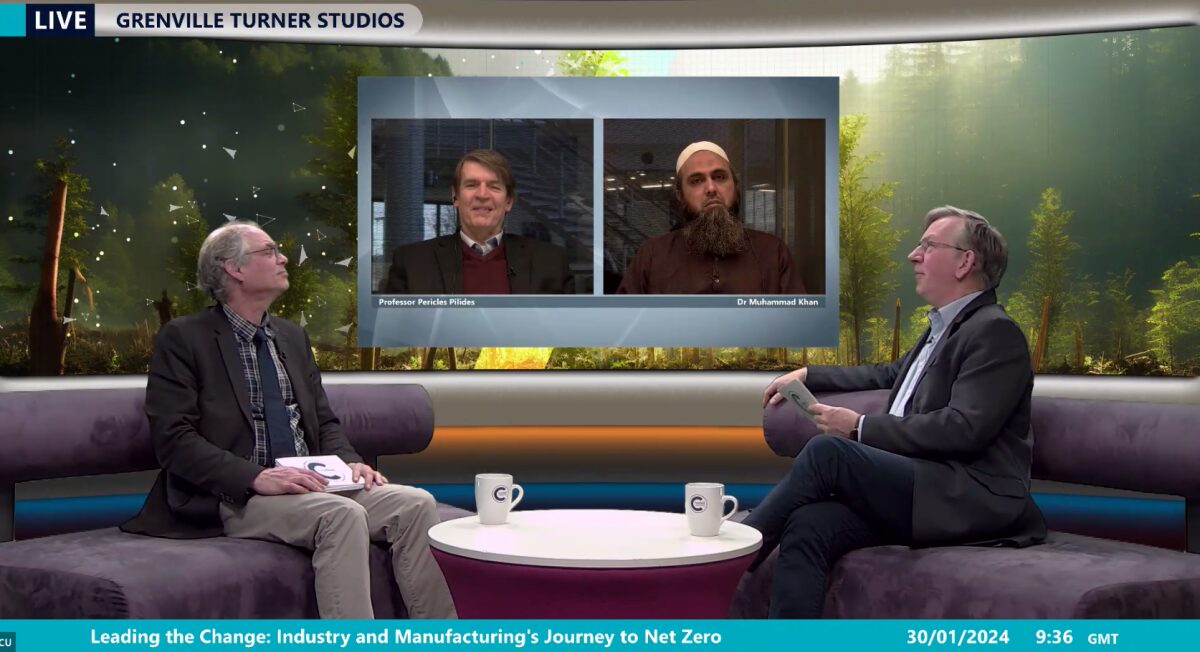
The panel
Professor Pericles Pilidis
Professor Pericles Pilidis is a professor in gas turbine performance in the Centre for Propulsion and Thermal Power Engineering at Cranfield University. He has organised and contributed to many international teaching and applied research programmes in the power, gas, oil and aviation industries, and is currently addressing research interests in the field of hydrogen for air, land and sea applications.
Dr David Ayre
Dr David Ayre is a senior lecturer in composites and polymers in the Composites and Advanced Materials Centre at Cranfield University. He is the course director for the Advanced Materials MSc, and has 10 years’ experience working in industry as a chemist in the nuclear power generation industry.
Dr Muhammad Khan
Dr Muhammad Khan is the acting head of centre for the Centre for Life-cycle and Engineering Management in Cranfield University. He has been involved in industrial and academic research for the last 20 years, and is currently working with his research group in areas including structural health monitoring, environmentally assisted material degradation, and asset maintenance and health assessment.
Watch the webinar recording now.

Categories & Tags:
Leave a comment on this post:
You might also like…
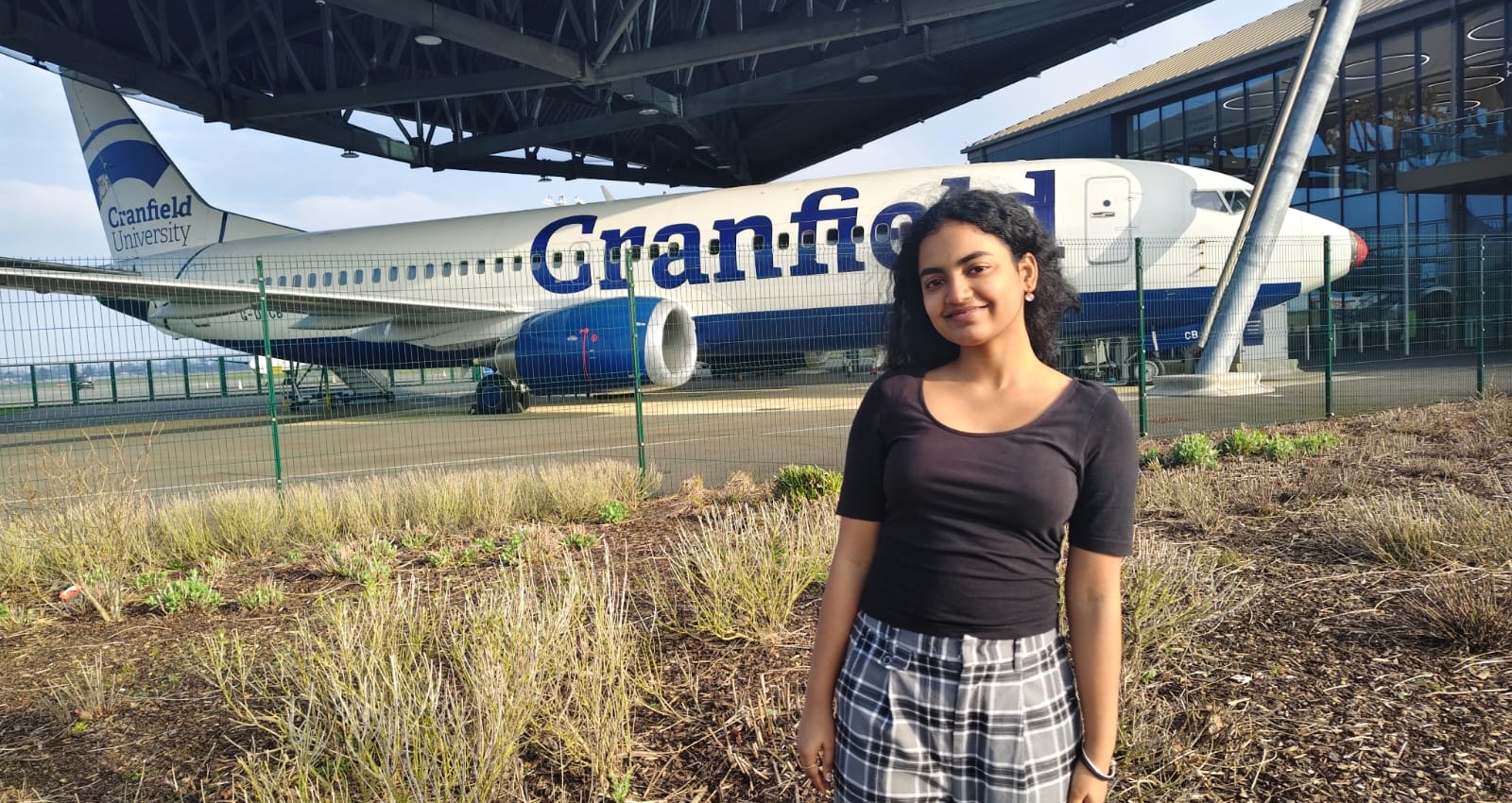
How Cranfield shaped my journey as an Aerospace Engineer
If I'm being specific about the moment it clicked, it was reading a paper called "On the Role and Challenges of Computational Fluid Dynamics (CFD) in the Aerospace Industry" by two Boeing engineers, P. ...
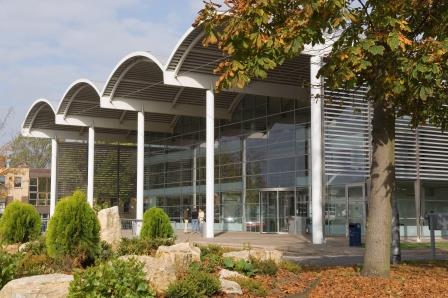
Introducing Kings Norton Library
Welcome to all our new students! We are looking forward to meeting you soon. You will find Kings Norton Library in the centre of the Cranfield campus, and it is open 24/7 to all staff ...

Setting your research on the right course: Four questions every researcher should ask
Whether you are just beginning your doctoral journey or are already well into your research career, successful research rarely happens by accident. Like any successful mission, it depends on good planning, informed decisions, and getting ...

5 budgeting mistakes students make (and how to avoid them)
Good financial planning isn't about how much money you have. It's about the habits you build. We asked Dr Lakshmy Subramanian, Course Director for the Banking, Economics and Finance MSc, about the budgeting mistakes ...
Finding your reading materials
Use Library Search Library Search is the first place to start when you are trying to find academic sources for your work. This is the search box on the library website homepage. It allows you ...
Formula 1 was the dream and Cranfield was the conduit
I still remember the exact moment Formula 1 (F1) got its hooks into me. I was in my first year of an aerospace undergraduate engineering degree when I watched a video about the sport ...
Comments are closed.