

From digestion to combustion – how my nutrition degree led me to study Chemical Engineering at Cranfield University.
24/09/2020
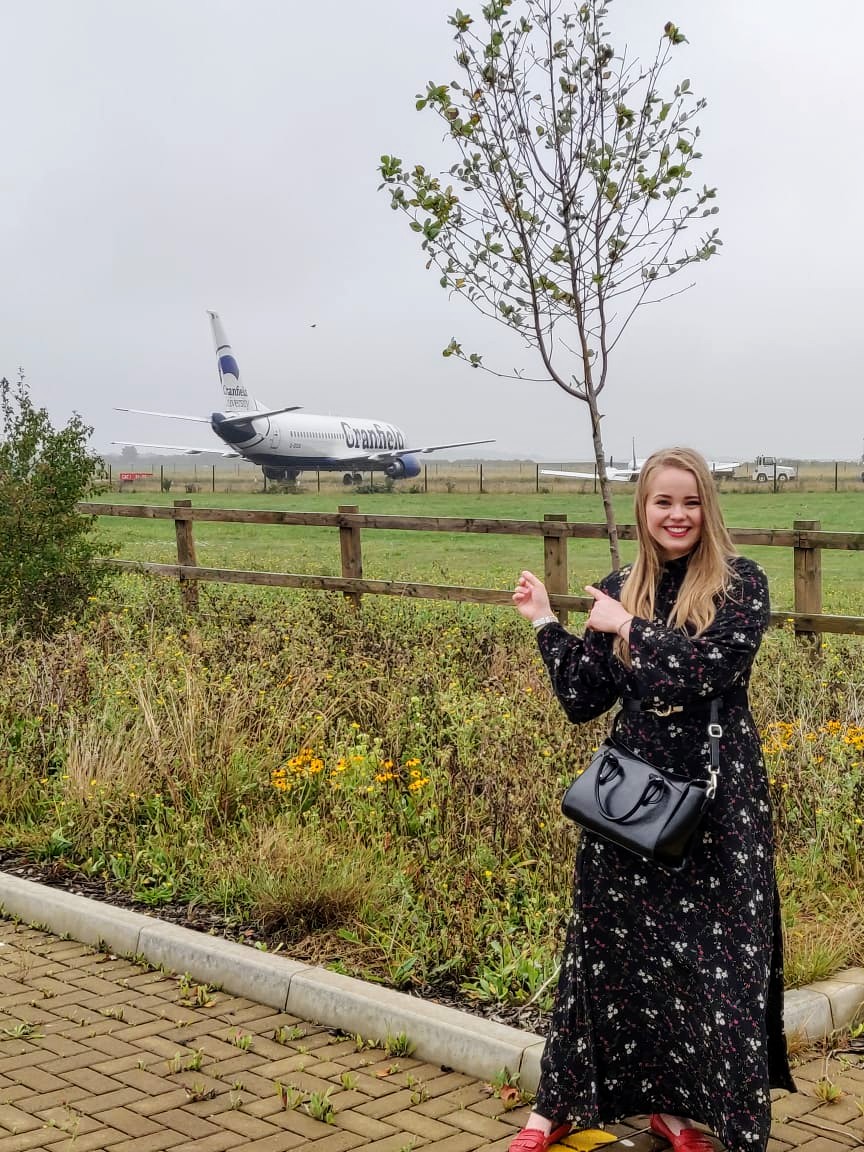
How I ended up at Cranfield is by no means a linear path. Upon graduating from a high school in the German countryside, I did what most of us kids did and went to law school. At the University of Bayreuth (Bavaria, Germany), I studied one semester of law and economics, before the institution and I decided to part ways – you see where this is going. Not a student, and unguided, I really had no idea what to do next, so I did the obvious thing of moving to the Middle East for a year. I first volunteered in both a special needs school and workshop in Jerusalem. That was quite the year, and in addition to a massive sunburn, I left Israel with increased patience and gratitude for my lot, as well as some Hebrew and Arabic, ya Habibi.
Switching from falafel to fish ‘n’ chips, I moved to the UK and enrolled on a life sciences foundation year at the University of Westminster. Although I was utter rubbish at sciences at school, it now seemed to be my thing, and I made the Dean’s List for outstanding performance, which would repeat for the years to come. My life-long interest in the impact lifestyle has on health lead me to enrol on Westminster’s Human Nutrition BSc Honours program. Nutrition at degree level is mostly applied biochemistry, which, in case you are unsure what biochemistry is, is the illegitimate child of a drunken party encounter of chemistry and biology. It governs the organic reactions in animals, for example, the minute molecular processes of how your midnight doughnut binge is turned into jiggly love handles. Or in other words, how one form of energy is converted to another. This realisation was rather awe-inspiring and led me to think of what these reactions would look like if they were upscaled.
At this point, you need to know that I am also a massive car enthusiast. While I disapprove of the environmental implications of petrol cars, I am absolutely fascinated by the workings of internal combustion (the magic that happens in your car engine). Just like in digestion, it is a carefully controlled reaction that converts one form of energy to another and thereby propels your car.
This got me thinking; what if there was a way of decreasing the car’s carbon footprint while maintaining driver experience? The product of this thought was my BSc thesis in renewable liquid fuel under the supervision of the brilliant biotechnician and lecturer Dr Godfrey Kyazze. I experimented how best to release sugar molecules from agricultural waste which are then fermented to give bioethanol; a substance that is already added to conventional petrol to reduce its CO2 emissions.
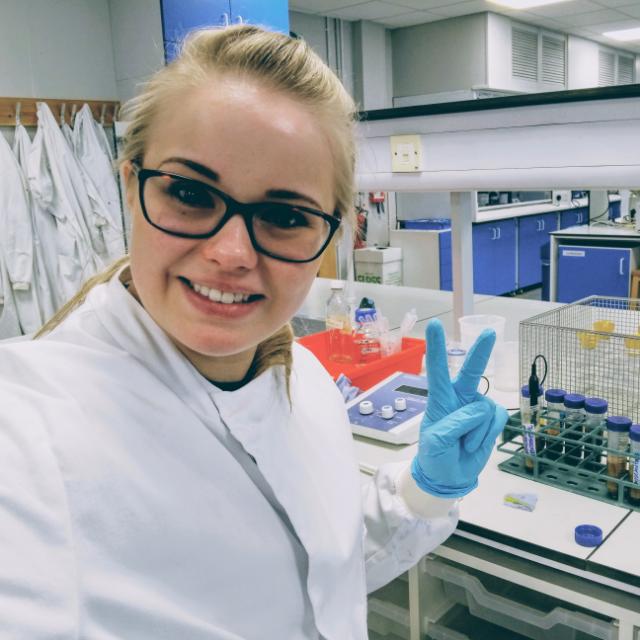
The experiment was much fun but marked only the beginning. I wanted more. I wanted to be part of the energy transition, leading all of us to a sustainable and energy-safe future. And this is where Cranfield enters the stage. I was lucky enough to speak to Cranfield’s Dr Gill Drew and Dr Peter Clough during an open day, who helped me identify that my talents and ambitions would be best cultivated in chemical engineering. They told me how Cranfield is the right place for someone like me, and that I should apply for its Advanced Chemical Engineering Master’s. That’s precisely what I did. And since I like talking a lot as you may have noticed, I told my ideas about a sustainable future to Cranfield’s School of Water, Energy and Environment. In turn, I was awarded the prestigious NetZero scholarship. I can hardly begin to express my gratitude for being at an institution where my vision is shared, encouraged, and supported.
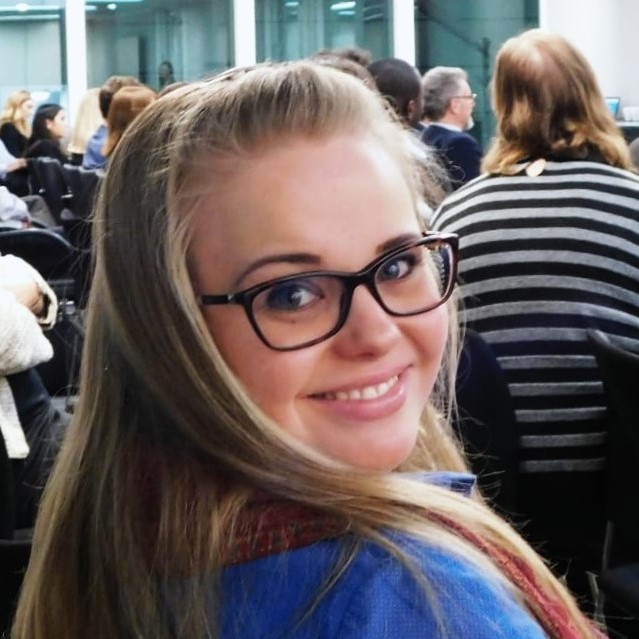
But why am I telling you all of this? It’s because you will not find people with straightforward stories at Cranfield. Everyone you will meet on campus has a story to tell, and it will most likely not be a linear one. Because Cranfield is where you will find the people that were the odd ones out; the ones with ideas that most people told them were stupid because they challenged the status quo. You will find these people here, changing the way we think and see the world. The ones that will make a difference not just for themselves, but for all of us. We think out of the box; we are Cranfield!

Categories & Tags:
Leave a comment on this post:
You might also like…
5 budgeting mistakes students make (and how to avoid them)
Good financial planning isn't about how much money you have. It's about the habits you build. We asked Dr Lakshmy Subramanian, Course Director for the Banking, Economics and Finance MSc, about the budgeting mistakes ...
Finding your reading materials
Use Library Search Library Search is the first place to start when you are trying to find academic sources for your work. This is the search box on the library website homepage. It allows you ...
Formula 1 was the dream and Cranfield was the conduit
I still remember the exact moment Formula 1 (F1) got its hooks into me. I was in my first year of an aerospace undergraduate engineering degree when I watched a video about the sport ...
Introducing Barrington Library
Welcome to all our new students! Barrington Library supports all the students and staff at Cranfield Defence and Security on the Shrivenham site. We are looking forward to meeting you all soon, in person or ...

About to start your journey at Cranfield? We’re here to help!
Congratulations on accepting your offer to study at Cranfield! If you’re keen to get a head start before your course begins, our Library Services team is here to support you every step of the way. ...
Bank holiday hours for Library Services: Monday 31 August
Library Services staff will be taking a break on Monday 31 August for the bank holiday. You will still be able to access all the resources and help you need via our library website. The 24/7 ...